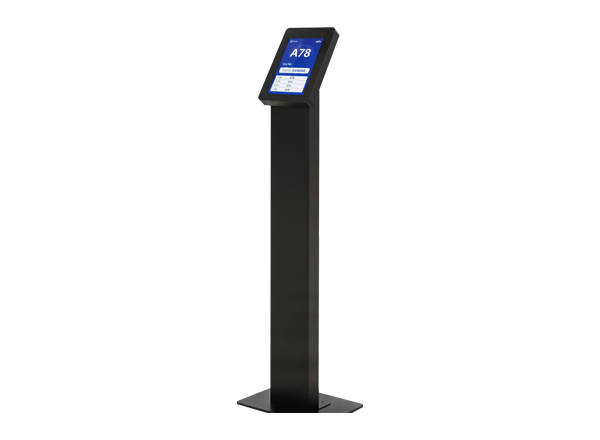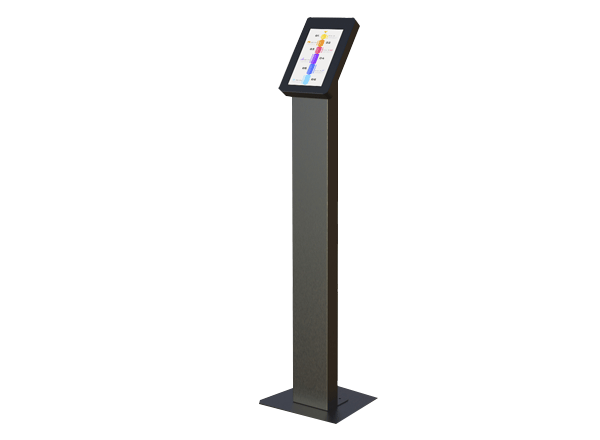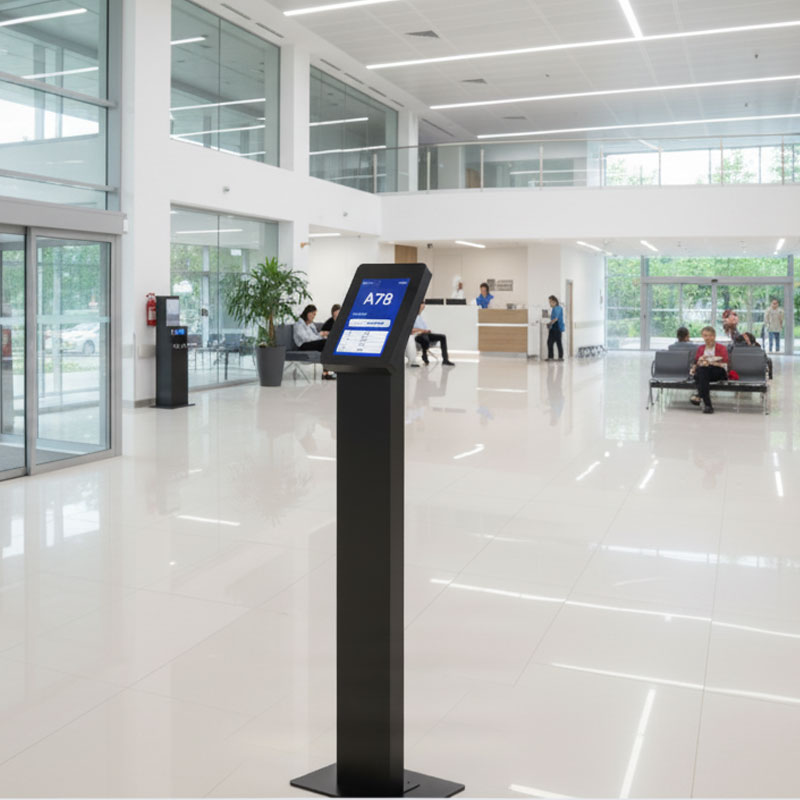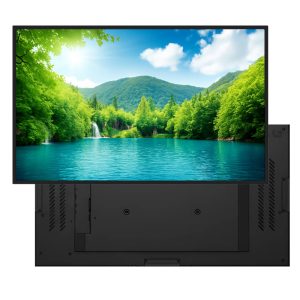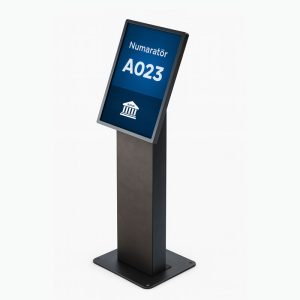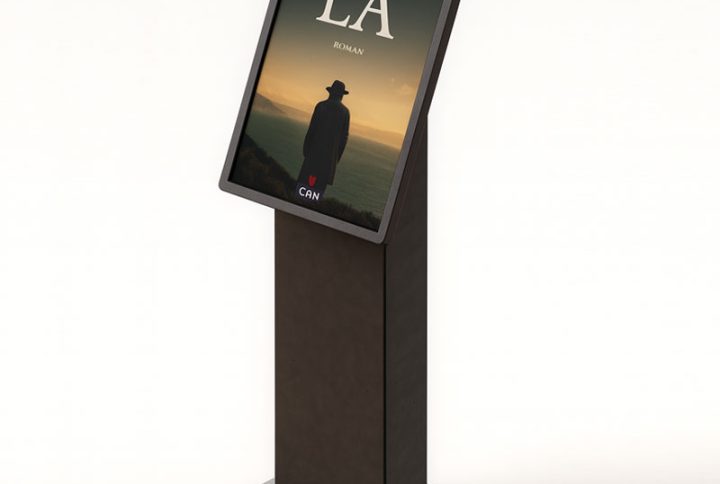


Epostechnologies diverse kiosk portfolio offers various models, thoughtfully engineered to address specific aesthetic preferences and functional requirements across various industries and applications. From the simplicity and ergonomic excellence of our A Model to the industrial durability of our P Model, each design represents a tailored solution that balances visual appeal with operational performance to meet your unique business objectives.
Select a kiosk around the user task, touch requirements and peripherals. Installation space, user reach and cable routing affect the setup. For a quotation, specify the intended application, device quantity and required connections.
1920 x 1080
300 cd/m2
Full HD
Key Features
Sustainable & Future-Proof Technology
Easy Installation and Maintenance
Slim and Scalable Design
High-Impact Visual Performance
Professional-Grade Performance and Reliability
Versatile Applications, Endless Opportunities
General Overview
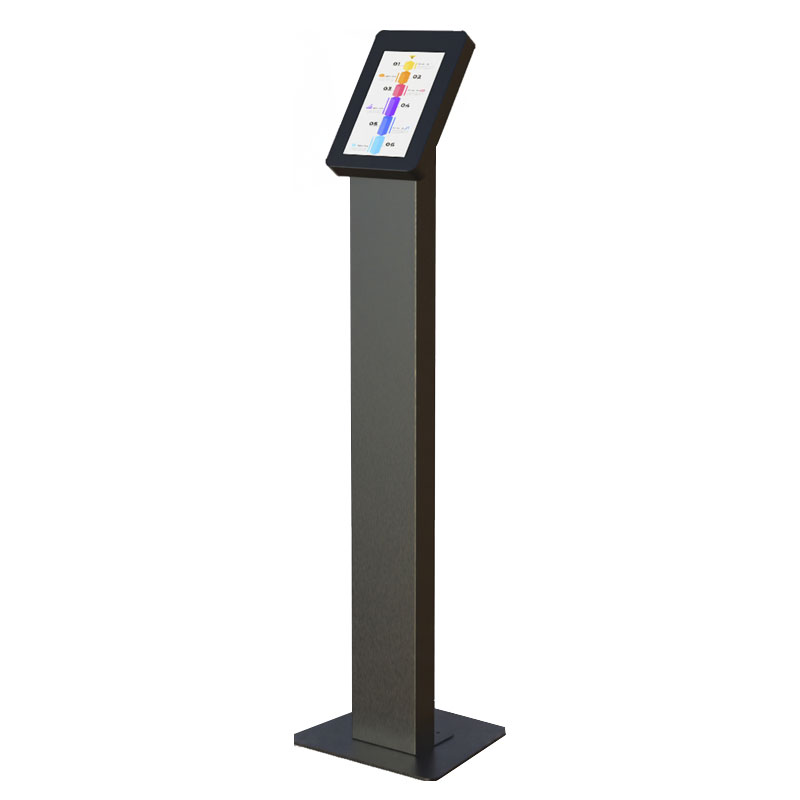
Adaptable Floor-Standing Design
Spanning ten screen sizes from 10.1″ to 32″, the Kiosk A Series adapts to almost any indoor scenario. Its upright, minimalist cabinet is designed to sit comfortably in modern interiors, presenting content at a natural eye level while keeping a small footprint on the floor.


Responsive Capacitive Touch
Every A Series model is built around a projected-capacitive panel with 10-point multi-touch, delivering the smooth, smartphone-like responsiveness visitors already expect. The hardened glass surface shrugs off the constant tapping and swiping of public use while keeping gestures crisp and accurate.
Clear, Comfortable Visuals
With sharp, high-resolution visuals and brightness reaching 500 cd/m², the A Series keeps menus, forms and promotions sharp and easy to read in lobbies, stores and offices. The display is tuned for indoor comfort, bright enough to draw attention without glaring in softly lit spaces.


Flexible Content Platform
The A Series runs as a complete all-in-one unit, ready to host wayfinding, catalogue browsing, registration or feedback applications without bolt-on players. Its open platform integrates easily with common content-management and software, so you can shape each kiosk around the exact task it needs to perform.
Built for Everyday Service
Engineered for continuous daily operation, the Kiosk A Series combines a sturdy metal body with sensible thermal design for reliable, low-maintenance use. It is a cost-effective solution that keeps working shift after shift in busy public environments.

Technical Specifications
Display LCD
LCD Technology | Resolution | Active Display Area | Brightness | Contrast Ratio | Viewing Angle | Response Time |
|---|---|---|---|---|---|---|
TFT-LCD | 1920x1080 | 293.76(W)×165.24(H) mm | 300 cd/m² | 800:1 | 85/85/85/85 | 30 (Typ, Tr+Td) |
Touch Screen
Touch Technology | Touch Points | Interface |
|---|---|---|
Projected Capacitive | 10 | HDMI, DVI, VGA |
Power
Power Requirement | Power Consumption (Avg.) |
|---|---|
AC 100 - 240 V~ (+/- 10 %) 50/60 Hz | 15W |
Operations
Operation Life | Operating Temperature | Storage Temperature | Humidity |
|---|---|---|---|
7/24 Working Conditions | 0 ~ 50 °C | - 20 ~ 60 °C | 10 ~ 80% |
Frequently asked questions
What are the key specifications of 13.3inch?
The model specification lists Resolution: 1920×1080; Brightness: 300 cd/m². Include the model code and selected screen size when ordering, as other options in the same series may have different specifications.
How should the kiosk installation space be planned?
Consider enclosure dimensions, user reach and circulation space together. Plan power, network and peripheral cable routes; the mounting surface and maintenance access must suit the selected model.
How can I clarify the order scope?
Provide the product code, quantity, installation location and intended equipment. Ask for accessories, fixings, software and installation requirements to be identified separately in the quotation.
How should content resolution be selected for 13.3inch?
The model specification lists a resolution of 1920×1080. Prepare the content pixel dimensions and aspect ratio for this value; use a suitable layout rather than stretching artwork with a different shape.
What should I verify for kiosk peripherals?
List the printer, reader, computer or payment terminal required by the workflow. Check each component’s physical fit, connection, power requirements and application support.
What should be tested when receiving a kiosk?
Test the display, touch response, network connection and any selected peripherals with the intended application. Check that users can start and finish the main task and use cancel and help actions.


Reviews
There are no reviews yet.